If you frequently find yourself in the more contentious parts of the internet (i.e., Reddit or Twitter), you are probably aware of the swirling storm of controversy that surrounded Pokémon Sword and Shield leading up to its release. And if you don’t frequent those wretched hives of scum and villainy, I suggest you keep it that way, as you will most likely be much happier in the long run. But as soon as it was announced that the newest entries in the long-running series would not contain a national Pokédex, the floodgates opened, and armchair developers everywhere started nitpicking every aspect of the game that was publicly unveiled and attempted to add fuel to their Pokémon boycott fire. Now that Sword and Shield has been out for a couple of months, I thought it would be interesting to look back on some of these controversies and address them as they pertain to the finished product.
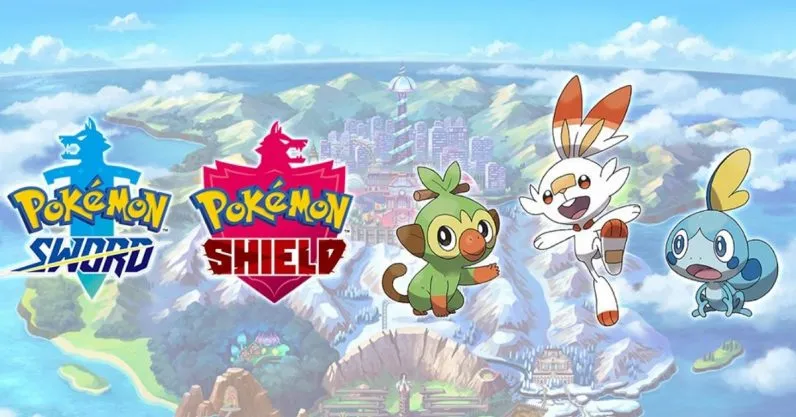
Let’s start with the revelation that started everything: the lack of a national Pokédex, a situation commonly referred to as “Dexit.” Essentially, news came out last summer that Sword and Shield would not contain a complete national Pokédex—only a regional dex, which meant that only certain Pokémon would be available to capture in the game, directly flying in the face of the “Gotta Catch ’Em All” slogan on which the series has been built, according to some. While this is technically true, in that there are only 400 of a possible 890 Pokémon present in Sword/Shield, the lower monster count makes completing your Pokédex a much more achievable goal.
Now, some of the complaints are about which Pokemon were omitted from the game in the first place. Fan favorites Bulbasaur, Mewtwo, and Dratini all ended up on the chopping block along with a slew of legendaries and starter Pokémon from previous generations. But for each Salamence that didn’t make it, there are at least two or three Pokémon along the lines of Luvdisc and Klefki that were also omitted. The idea of including each and every Pokémon into Sword and Shield seemed like a pipe dream to me anyway—890 monsters is a lot to try to jam into one cartridge, not to mention how much tall grass would be needed to be able to find these Pokémon in the wild. I do understand there are some trainers who have been caring for certain Pokémon for years and years, and the idea that you can’t bring your treasured Tyranitar into your new adventure may be heartbreaking, but I also appreciate the attempt by developer Game Freak to shine a spotlight on different Pokémon and possibly make you rethink your party makeup for the first time in generations. Focusing on the new Pokémon and trying different types than you are used to using might make for some interesting experiments, and it also might finally make you break up the monotony that is your all Absol Special Sweeper Team you’ve been using since 2002.
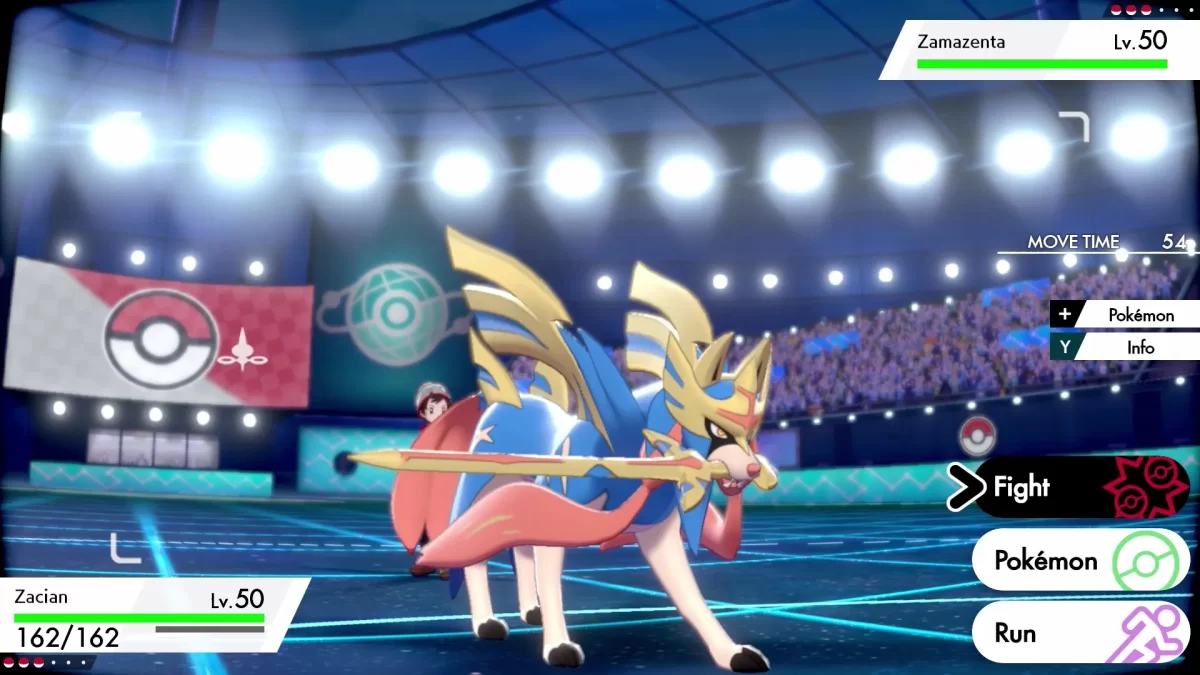
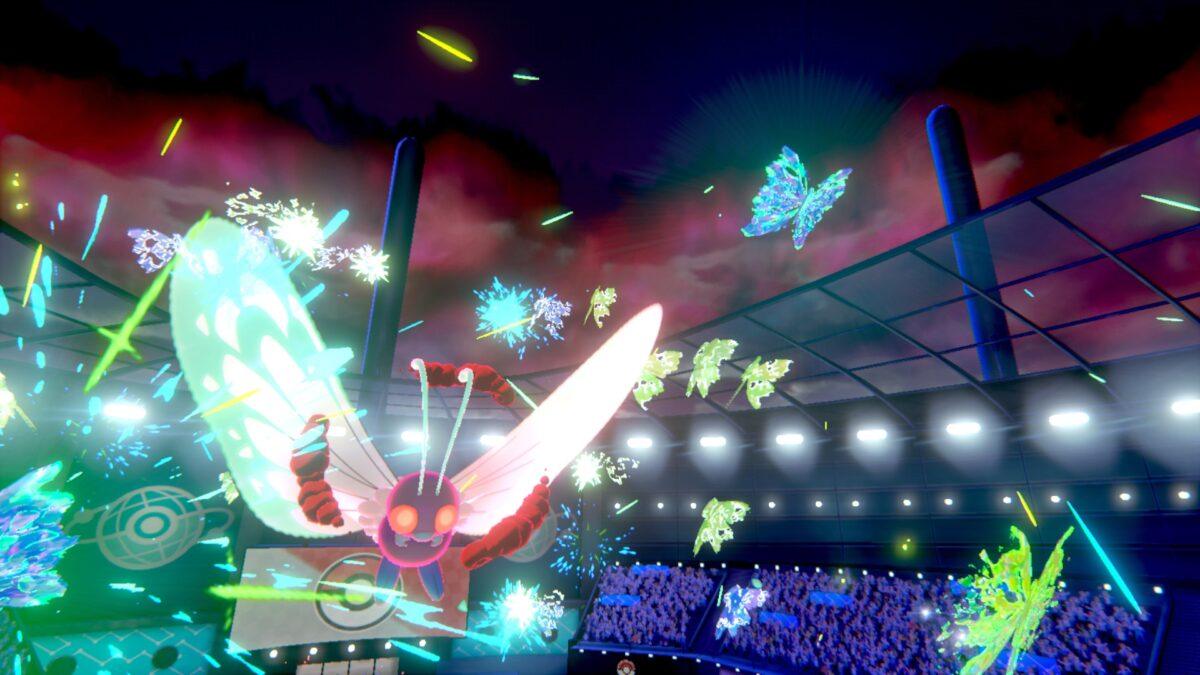
Once the Dexit train was off and running, each new feature Nintendo introduced was held to the same extreme scrutiny. The biggest new features Sword and Shield had to offer were raid battles and Gigantamax Pokémon. Raid battles are essentially the same as their Pokémon GO counterpart: you and three other trainers, either real-life people or NPCs, group up to battle a giant wild Pokémon with the hope of capturing a rare (and in some cases special) monster. While Gigantamax Pokémon themselves are fun distractions and also great ways to get EXP candies and TMs, they are mostly harmless and can only be used during raid battles or certain story-line matches.
The biggest complaint against Gigantamax Pokémon was that they took the place of other established features, namely Mega Evolutions and Z-Moves. As far as I can tell, this was Game Freak merely swapping one Pokémon gimmick for another. Mega Evolutions were introduced in Generation 7 and Z-Moves in the following generation as a way to add something new to Pokémon battles, giving some Pokémon new forms as well as a competitive edge they might not have had before. The biggest problem with these previous features is that outside of PvP battles, they seemed to do little other than make battles against wild Pokémon or NPC trainers go even faster. Most of the time they were overpowered one-hit KO moves or forms that took longer to execute that the battle itself after they had been performed. By replacing them with a feature that has new limitations and rules, it serves to establish that Sword and Shield is prepared to sink or swim based on the new things it brings to the table rather than relying on old gimmicks.
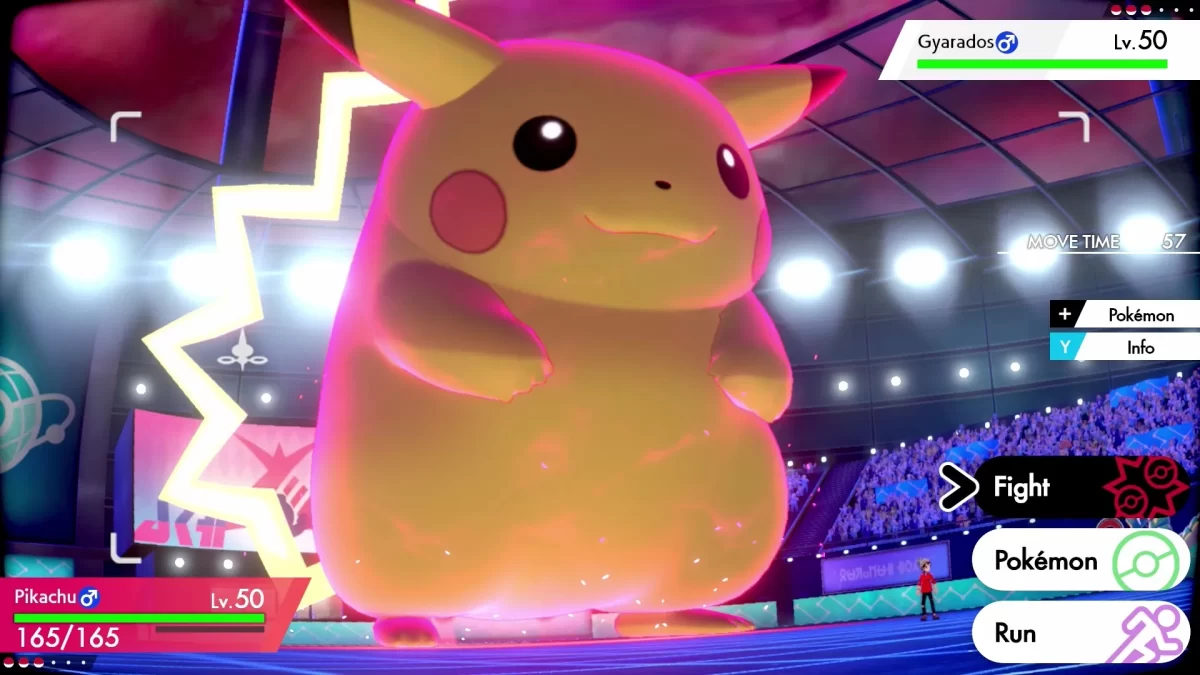
One of the seemingly smallest gripes about Sword and Shield, and one that I actually believe has some degree of merit, is the complaint about the reused and lackluster battle animations. No one should have expected that Game Freak would be able to animate thousands of unique battle animations for hundreds of Pokémon, but somehow that was the assumption for Sword and Shield, which left those unfortunate enough to want this disappointed. The fans with the loudest voices tried to claim that some of the older handheld games like Pokémon Black and White, or even older games like Pokémon Stadium, had more elaborate and varied animations that those found in Sword and Shield. Realistically, though, all these games share the same style of battle animation, in which each Pokémon has a set amount of motions it makes in battle, and each move is simply mapped to the animation that most resembles the move being performed. Some people think that with a triple-A title like Pokémon this should, and could, have been changed, and the animations this time around should have been more detailed and involved. But since the games are still turn based, expecting a Super Smash Bros.–style battle for each encounter was setting yourself up for failure from the outset. All this said, I will concede that while some moves are very well animated, like Cinderace’s Pyro Ball, that same Cinderace looks a little sad using a move like Double Kick, in which its entire character model hops up and down slightly without moving the rest of its body anywhere from two to five times.
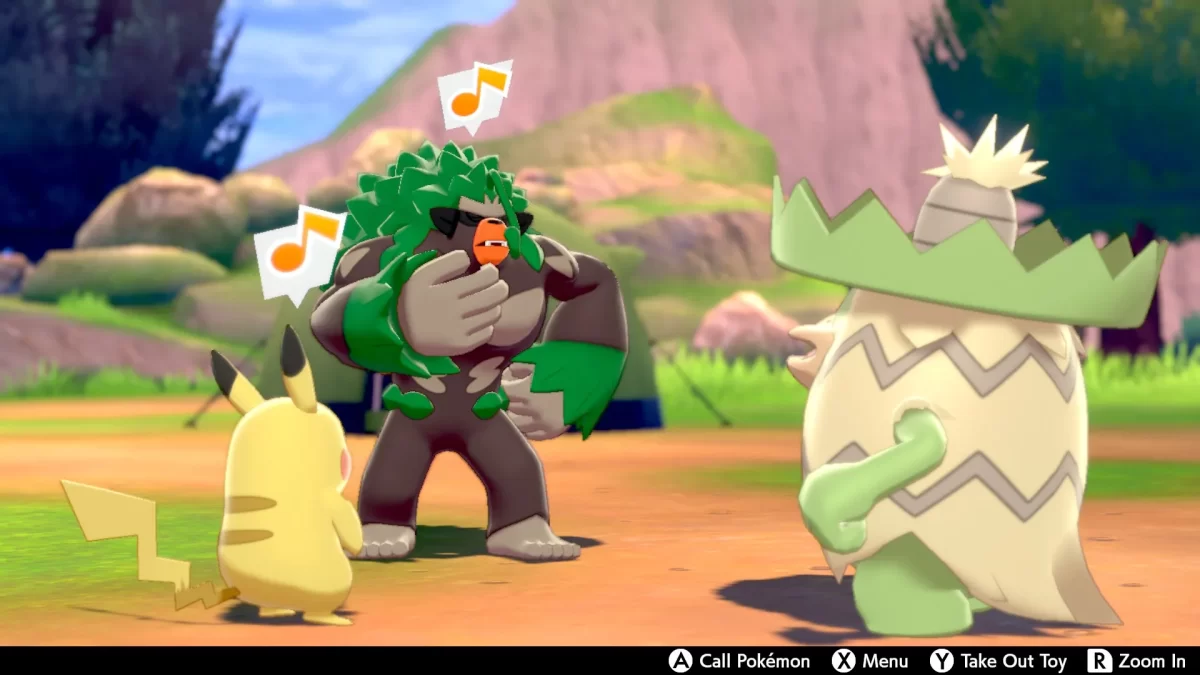
One of the longest-lasting images of the controversies surrounding Sword and Shield, and one of the most frequently paraded around, is of a tree. It might not sound like a lot, but people were initially suspicious of the graphic quality of this generation of Pokémon games when a tree was spotted in early trailers that looked suspiciously low resolution. Immediately, fans started making comparisons to much older Nintendo games, like Ocarina of Time, as well as scrutinizing how the tree in this trailer looked compared to other current Switch games like Breath of the Wild. The good news is that once the game released, these fears were, at least for me, immediately put to bed. Not only do the trees look much better than the prerelease footage made them look, but everything else looks exactly as you would want it to look with a brand-new Pokémon game. Character animations are elaborate and adorable, and the overworld and wild areas have dynamic weather effects, not to mention the fully animated wild Pokémon you see throughout the game. Honestly, this is the controversy that seemed the most overblown based on how the final product ended up looking.
If you managed not to be aware of any of the problems lobbied against Pokémon Sword and Shield prior to its release and have been playing the game, you might be surprised to hear about them now, considering how well the final product turned out. Maybe it’s simply a byproduct of the time it was released, but as a whole Sword and Shield came together much better than the complaints would have made you believe was possible. As of this writing, I am over 90 hours through my playthrough and haven’t once felt stalled or distracted by any of the above or any other issue the game was accused of having. If you’ve been avoiding this generation based purely on principal or on the criticisms you’ve been reading, I recommend you give the game a chance and decide for yourself.
*Originally posted on Twin Cities Geek on January 31st 2020*